

BIM Modelling
BIM Modelling Support for Specialist Care and Accessible Environments
Multicare provides Revit-based BIM support for healthcare environments, assisting architects, contractors, and technical teams working on specialist care and accessible spaces.
We work with live project models to integrate specialist equipment, support coordinated layouts and contribute to design development across RIBA Stages 2, 3 and 4.
From concept design and spatial coordination through to technical design, our in-house team helps ensure specialist equipment is accurately coordinated within the wider model, with buildability and delivery in mind.


In-House BIM Support for Healthcare Environments
On BIM-led projects, specialist suppliers need to provide coordinated information at the right stage, in the right format, and with a clear understanding of how the wider design is developing.
We support architects, design consultants and contractors by working within live BIM workflows to integrate specialist equipment into project models using Revit. Our role is to ensure specialist care and accessible equipment is properly coordinated within the design, rather than being introduced later when layouts are fixed and coordination becomes more complex.

Support across RIBA Stages 2,3 and 4
While we can support healthcare projects throughout the RIBA Plan of Work, Multicare is typically engaged during RIBA Stages 2, 3 and 4, where specialist input can influence layout coordination and technical development before information is fixed.
Because this support is delivered in-house, project teams work directly with a team that understands both the products and how they need to perform in real environments.
RIBA Stage 2
Concept Design
At concept stage, early specialist input helps ensure the design is developing around realistic equipment requirements, clearances and functional room layouts.
Our team supports at this stage by contributing specialist product information, layout considerations and early coordination input for environments such as hygiene rooms, Changing Places facilities, accessible washrooms, care environments and other specialist spaces.
RIBA Stage 3
Spatial Coordination
At spatial coordination stage, specialist equipment needs to work within the wider architectural, structural and services model.
Using Revit, we work with live BIM models to integrate relevant product content, support room layouts and identify potential coordination issues before they progress further into the design. This can include positioning specialist equipment accurately within the space, reviewing layout suitability and contributing to clash detection and coordinated design development.
RIBA Stage 4
Technical Design
At Stage 4, the emphasis shifts to accurate, buildable information that supports detailed coordination and delivery. We support technical design with Revit-based model input, detailed layout coordination and specialist technical information that reflects how products will function in practice.
This includes BIM drawings and model information that help project teams meet ISO 19650 information requirements as part of technical design development. It helps ensure specialist equipment is not only shown correctly within the model, but is considered in a way that supports installation, usability and project delivery on site.
Clash detection, coordination and buildability
Specialist care and accessible environments can be complex and often involve equipment that has a direct impact on layout, clearances, fixing requirements, access routes and day-to-day usability.
Coordinated BIM input helps ensure these spaces work in practice and can be delivered on site without avoidable clashes or late-stage redesign.
By contributing specialist equipment information at the appropriate design stage, we help project teams:
• Coordinate specialist products within the wider model
• Identify potential clashes earlier in the design process
• Support room layouts that remain functional as the design develops
• Improve alignment between design intent and installation reality
• Reduce the risk of late-stage changes to specialist spaces
This is particularly important on projects involving hygiene rooms, Changing Places facilities, accessible washrooms, hospital environments, care settings and other technically sensitive spaces.
A specialist delivery partner beyond design
Our BIM support for healthcare environments is backed by a wider in-house service that continues well beyond design development.
We also deliver:
• Product specification support
• Specialist equipment installation
• Product training and handover support
• Servicing and planned maintenance
• Ongoing technical support
This means our BIM input is informed by almost 40 years’ practical experience of how specialist equipment is coordinated, installed and used in real environments.
For project teams, that provides continuity from RIBA Stages 2 to 4 through to construction, handover and in-use support, with a single specialist partner who understands both model coordination and real-world delivery.
RIBA Stage 3
Spatial Coordination
At spatial coordination stage, specialist equipment needs to work within the wider architectural, structural and services model.
Using Revit, we work with live BIM models to integrate relevant product content, support room layouts and identify potential coordination issues before they progress further into the design.
This can include positioning specialist equipment accurately within the space, reviewing layout suitability and contributing to clash detection and coordinated design development.
RIBA Stage 4
Technical Design
At Stage 4, the emphasis shifts to accurate, buildable information that supports detailed coordination and delivery. We support technical design with Revit-based model input, detailed layout coordination and specialist technical information that reflects how products will function in practice.
This includes BIM drawings and model information that help project teams meet ISO 19650 information requirements as part of technical design development. It helps ensure specialist equipment is not only shown correctly within the model, but is considered in a way that supports installation, usability and project delivery on site.
Because this support is delivered in-house, project teams work directly with a team that understands both the products and how they need to perform in real environments.
RIBA Stage-Aligned Support
Specialist BIM input that fits the design process across concept design, spatial coordination and technical design.
ISO 19650 Standard Outputs
BIM drawings and model information produced in line with ISO 19650 requirements for coordinated project delivery
Clash Detection & Buildability
Input that helps identify coordination issues early and supports layouts that remain functional and deliverable on site
Specialist Spaces We Design
Multicare specialises in creating a wide range of care environments, including:
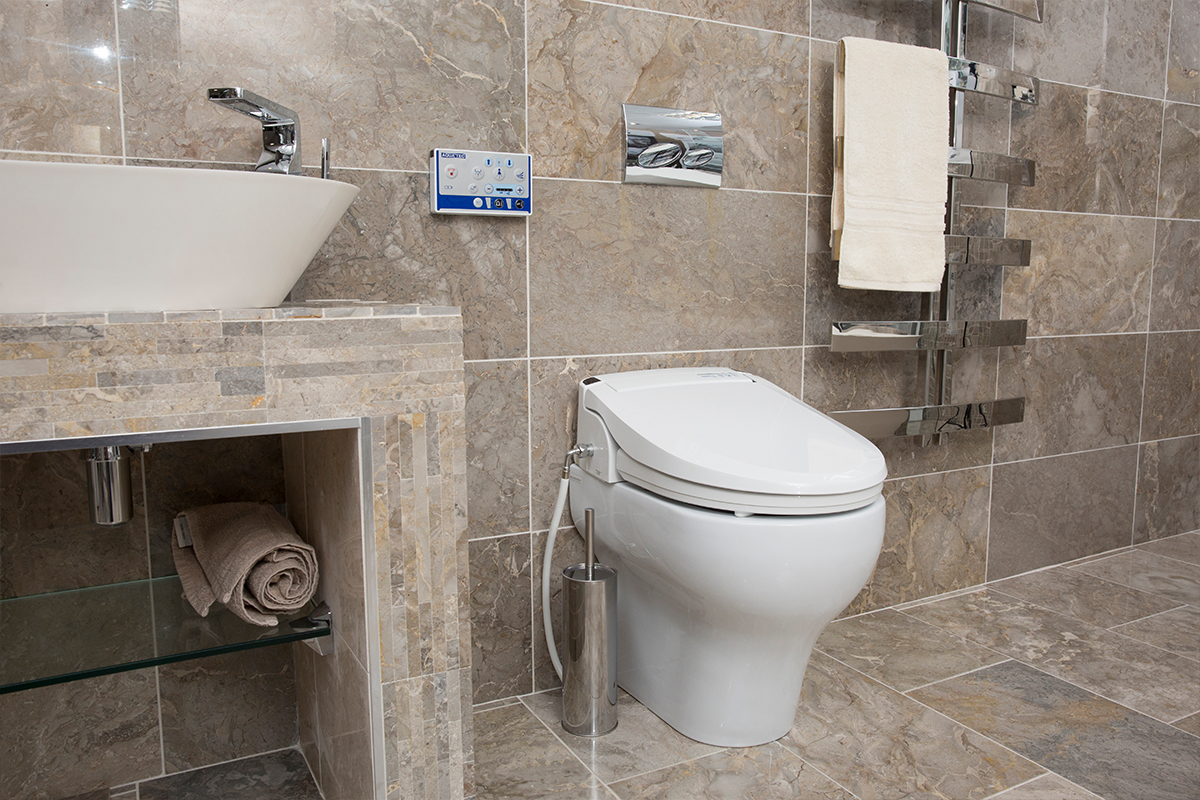
Bathrooms
Accessible and functional designs that promote safety, independence, and comfort for users with varying levels of mobility.

Hygiene Rooms in Educational Settings
Thoughtfully designed spaces in schools and colleges to meet the hygiene needs of students with disabilities.
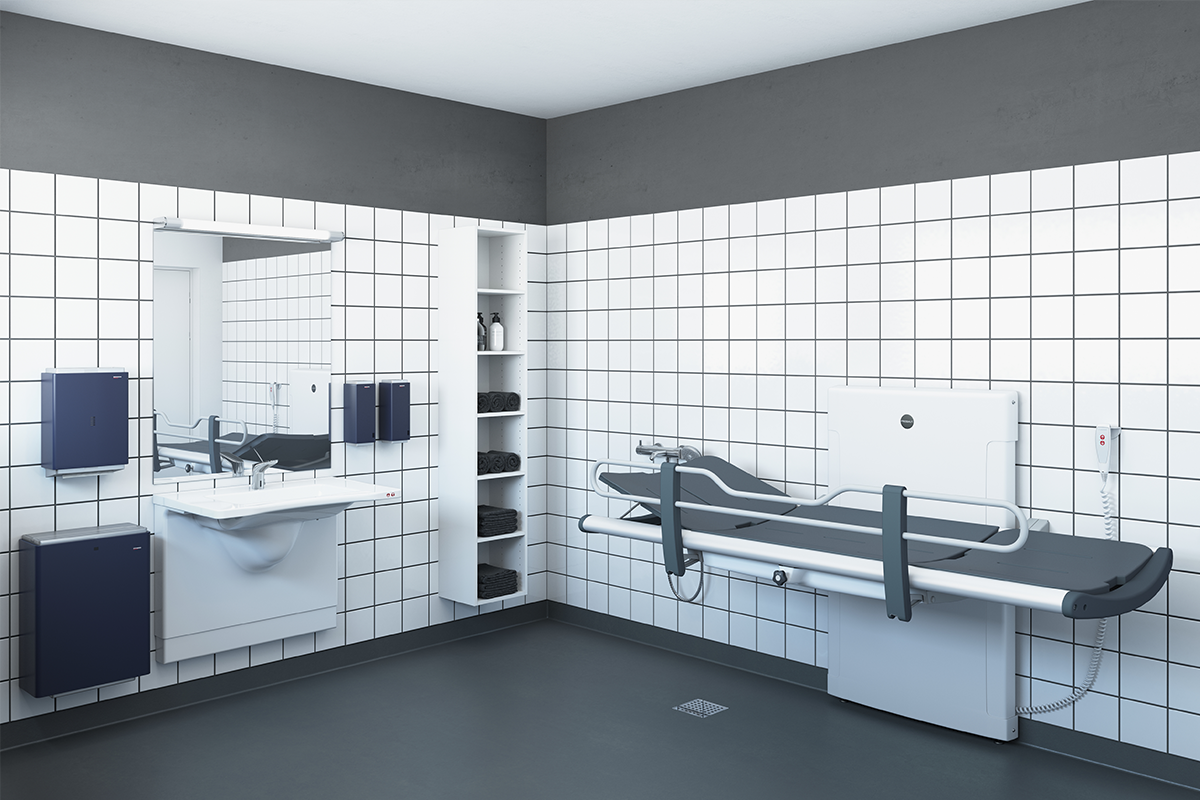
Changing Places Toilets
Fully compliant facilities that provide dignity and accessibility for those with profound and multiple learning or physical disabilities.

Care Homes and Hospitals
Bathrooms and hygiene rooms designed for ease of movement, safety, and comfort, incorporating essential equipment such as ceiling hoists, adjustable beds, and shower chairs.
Send Us Your Project Details
Upload your project details or BIM files and our technical team will be in touch to discuss how we can support your scheme

"*" indicates required fields
